


The University of Manchester stands as one of the world's most influential centers of scientific discovery. It is the birthplace of the modern computer (where Alan Turing pioneered computing), the place where Ernest Rutherford first split the atom, where radio astronomy was revolutionized at Jodrell Bank, and where the first 2D material—graphene—was isolated by Nobel laureates. This legacy of mathematical and physical rigor directly inspires InvaGrid Lab.
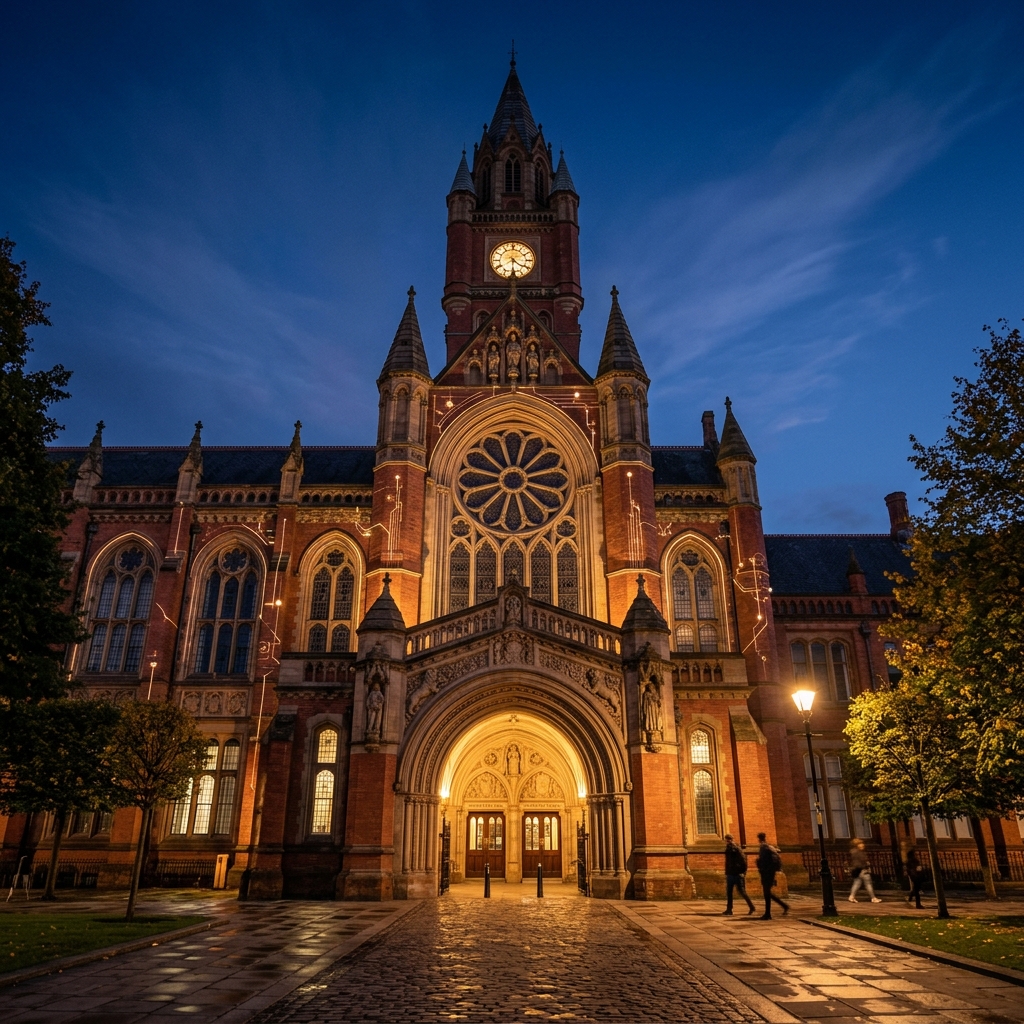
Four historic physical landmarks of the University of Manchester that serve as our primary intellectual anchors and continuous sources of research inspiration.
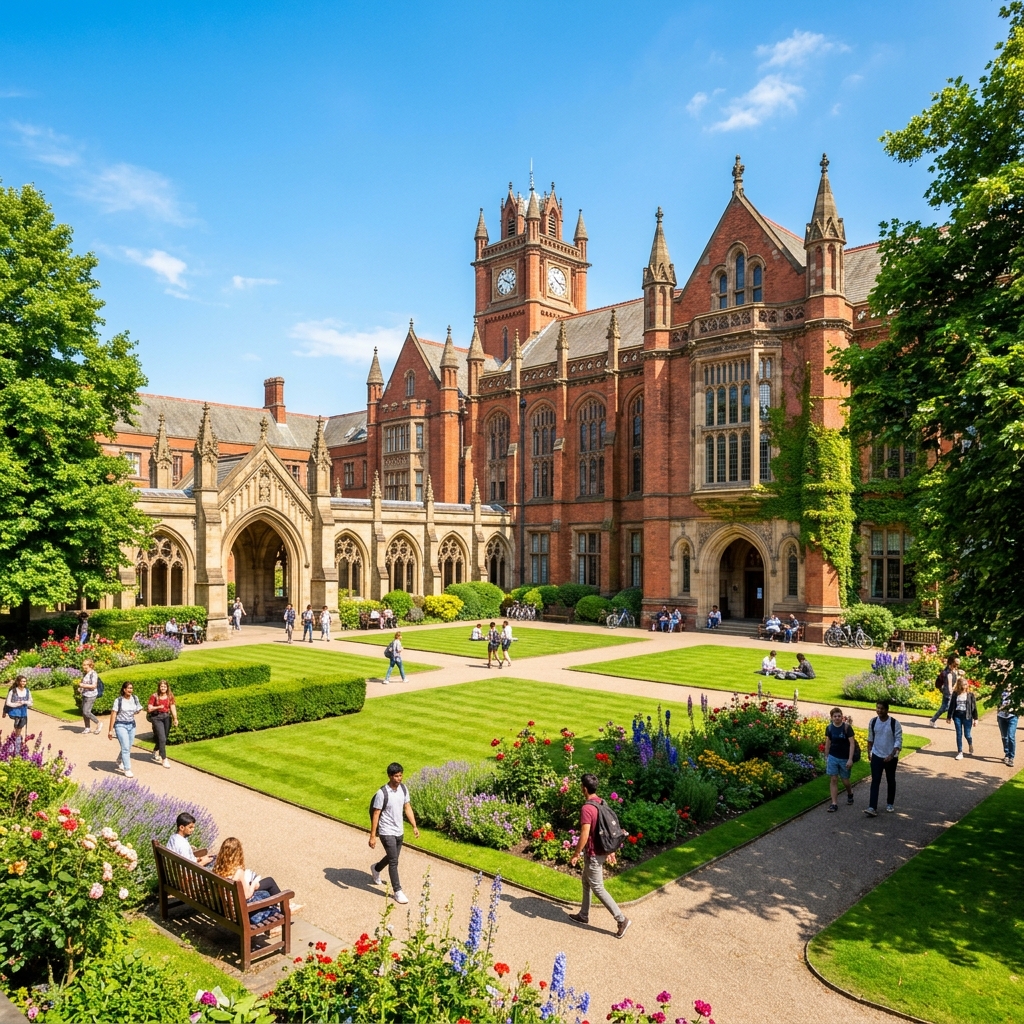
The majestic neo-Gothic archway and ceremonial heart of the university. It serves as the physical site of cap and gown graduations, standing as a beautiful symbol of academic capping, rigorous examination, and scientific excellence.
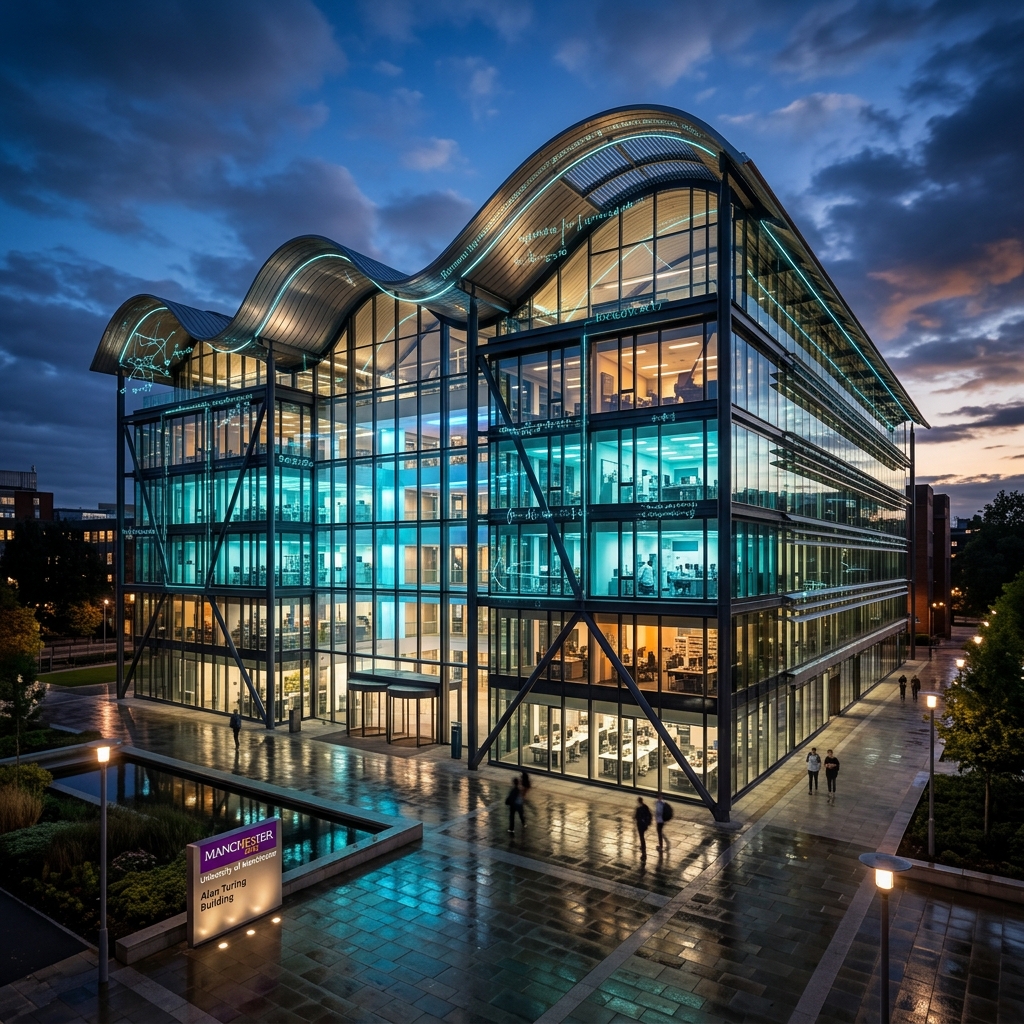
Home of the School of Mathematics and astrophysics center, named after the father of modern computing. It represents our core commitment to high-speed digital synthesis, machine learning algorithms, and deep computational modeling.
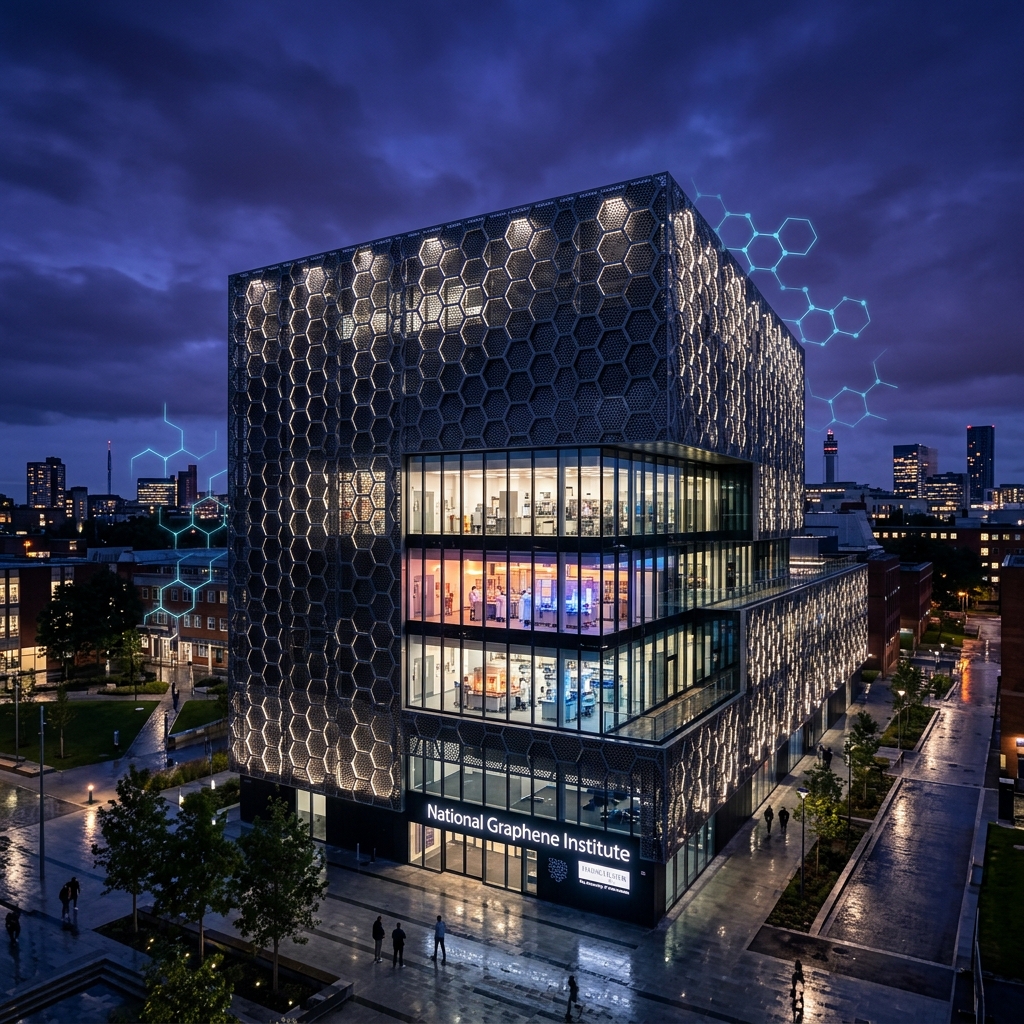
A state-of-the-art five-story cleanroom facility dedicated to the advanced physics of 2D structures. It serves as our reference point for precision engineering, material innovation, and translating basic physics into high-stability technology.
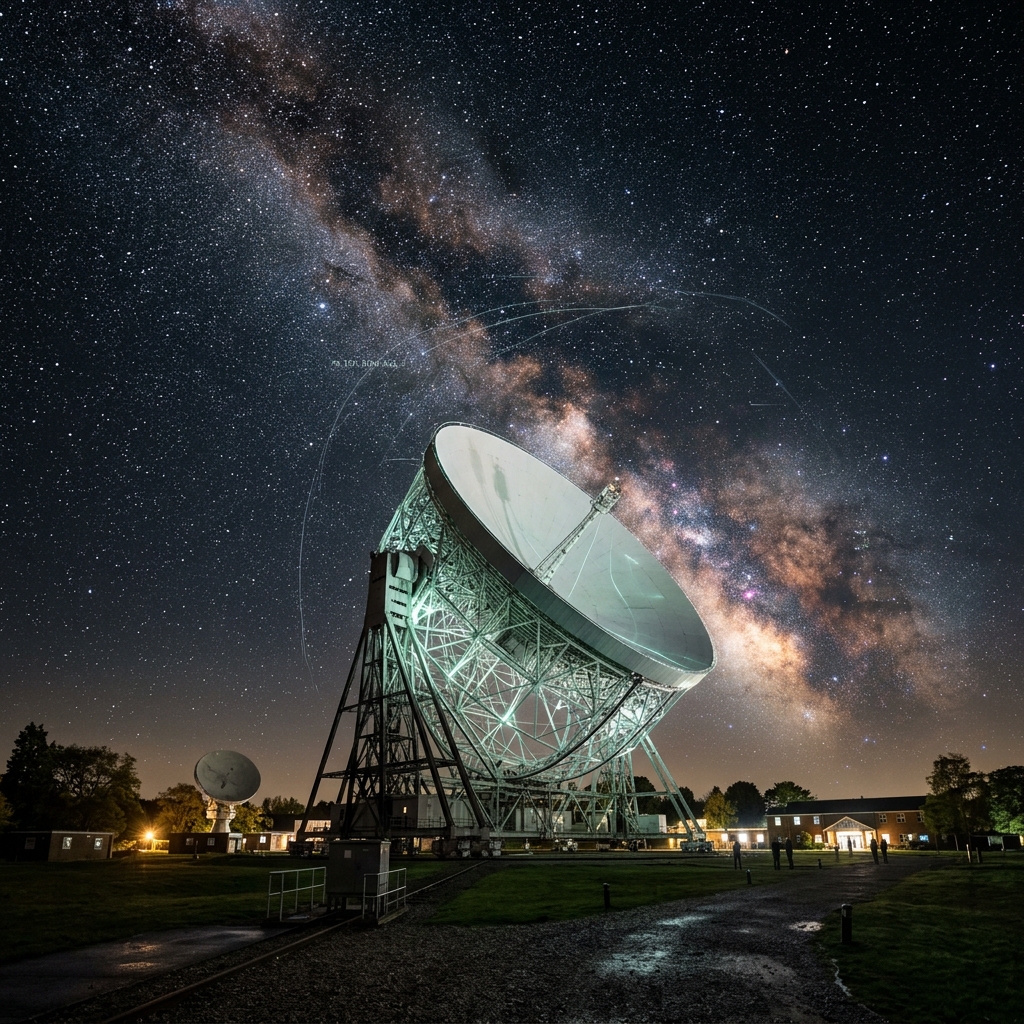
A UNESCO World Heritage site housing the colossal Lovell Radio Telescope. It represents our constant exploration of physical limits, observational precision, and signal-processing under extreme cosmic constraints.
Chair of InvaGrid Lab
The core mathematical foundation of InvaGrid Lab lies in robust control systems and invariance theory. These academic roots were cultivated during the PhD studies of our Chair, Dr. Ton That Long, at the University of Manchester.
His research focused on the synthesis of complex feedback loops and ensuring mathematical stability in highly dynamic networks. Today, these robust principles of *Invariance* guide our collective's independent research in distributed microgrids and smart-energy networks.
InvaGrid Lab operates as a private, fully autonomous scientific R&D collective. While our members proudly celebrate the academic lineage of their respective alma maters, InvaGrid Lab maintains zero administrative, formal, or financial affiliations with the University of Manchester.